
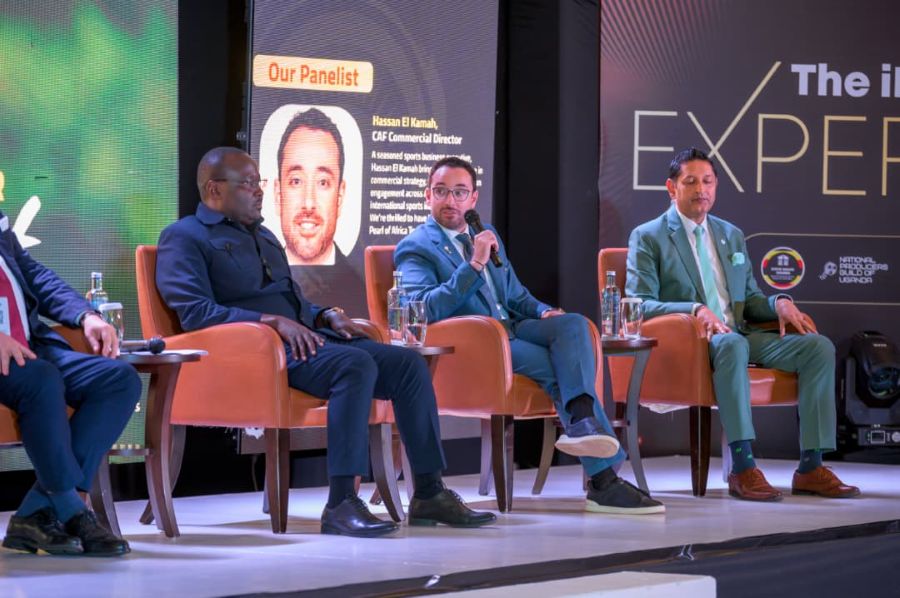
Uganda is set to benefit significantly from the upcoming Africa Cup of Nations (AFCON) 2027, with officials projecting a major boost in tourism, investment, and international visibility as the country co-hosts the continental tournament alongside Kenya and Tanzania.
Speaking during a panel discussion at the ongoing Pearl of Africa Tourism Expo (POATE), CAF Commercial Director Hassan El Kamah emphasized that AFCON presents one of the most powerful platforms for showcasing East Africa to the world.
He noted that the tournament is not only a sporting event but also a global marketing opportunity capable of transforming national economies through tourism inflows, sponsorships, and brand exposure.
Highlighting the scale of impact seen in previous editions, El Kamah pointed to Morocco’s recent hosting of AFCON, which attracted over 1.5 million visitors and generated an estimated $2 billion in economic activity within a single month.
“This is the power of AFCON, the power of football. Over 1.5 million guests came to Morocco because of AFCON, and the economic impact was around $2 billion spent inside the country within a month,” he said.
He added that AFCON delivers unmatched global visibility for host nations.
“AFCON delivered over 3 billion TV audience around the world. Imagine the number of people who can see your brand and your country through these matches and activations,” El Kamah noted.
The CAF official stressed that tourism promotion and investment attraction must be central to Uganda’s preparations, saying football offers a unique platform to market destinations and experiences.
“For tourism, this is the biggest platform you can use to show your beautiful country and its assets to the world. When AFCON comes to East Africa, it will change the game and give this region a global spotlight,” he said.
He further observed that Africa still holds significant untapped tourism potential compared to global destinations such as France, which attracts over 100 million visitors annually.
El Kamah also highlighted AFCON’s strong appeal to investors and sponsors, citing Morocco’s previous edition which attracted more than 20 international sponsors from China, Japan, Europe, and across Africa.
“They are looking for return on investment—how they can build their brand and reach people through the biggest platform in Africa, which is football,” he said.
He added that sponsorship visibility strongly influences consumer behavior, citing survey findings where airline partners saw increased preference due to AFCON exposure.
“For example, after our surveys, 90 percent of visitors preferred the national airline because they saw it through AFCON activations, promotions, and digital campaigns,” he explained.
Looking ahead to AFCON 2027, El Kamah urged Uganda and its co-hosts to align tourism strategies with the tournament’s global reach, including travel packages, airline partnerships, and destination branding.
“For Uganda tourism, we must set clear KPIs on visitor arrivals and ensure we fully leverage this opportunity. With the support of tourism authorities and football federations, we can attract millions of people to experience Uganda,” he said.
Federation of Uganda Football Associations (FUFA) Second Vice President Dr. Twaibu Azar Taibu said Uganda must strategically position itself to maximize the economic and social benefits of AFCON 2027.
She said FUFA has been working closely with the Uganda Tourism Board (UTB) to broaden the country’s tourism offering beyond traditional attractions.
“For us as a federation, our job has been to galvanize the whole country to rally around football, and we believe we are achieving that,” Dr. Taibu said.
She added that AFCON presents Uganda with a rare opportunity to advance its long-term tourism and economic transformation agenda.
“Sports tourism is the emerging economy that brings in billions of dollars and creates employment opportunities across the value chain,” he noted.
Dr. Taibu emphasized the need to diversify Uganda’s tourism products beyond wildlife, saying football can open up new investment opportunities in culture, music, hospitality, transport, and infrastructure.
Shee revealed that Uganda is already investing heavily in preparation for the tournament.
“The country is investing over shs2 trillion in roads, hospitals, sanitation, and general preparedness for AFCON 2027,” the FUFA official said.
Shee urged the private sector to actively position itself to benefit from the upcoming influx of visitors.
“The tournament will bring lots of visitors. There are jobs for musicians, content creators, hotels, and food supply chains. The entire value chain must benefit,” she said.
Dr. Taibu also encouraged entrepreneurs and investors to think creatively about how to tap into the tourism boom.
“If I have a small house, how do I turn it into a BnB? If I am a content creator, how do I position myself? Everyone must prepare to benefit,” Dr. Taibu said.
She noted that visitors will seek experiences beyond football, including culture, nightlife, and cuisine.
“Fans don’t just come for football. They want pre-match experiences, matchday excitement, and post-match cultural experiences that they can talk about long after,” he said.
She further stressed the importance of developing destination hotspots, travel routes, and service infrastructure across Uganda to enhance visitor experience.
Dr. Taibu said AFCON 2027 should not be seen as a one-off event but a launchpad for long-term investment in sports tourism and international conferences.
“We want stadiums and hotels not to become stalled investments after AFCON. We want to use them for MICE events, conferences, and even CAF and FIFA engagements,” she said.
She expressed confidence that Uganda is on track to fully harness the benefits of AFCON before, during, and after the tournament.
“We are ready, and we will be ready. The economy must benefit pre-, during, and post-AFCON,” she noted.
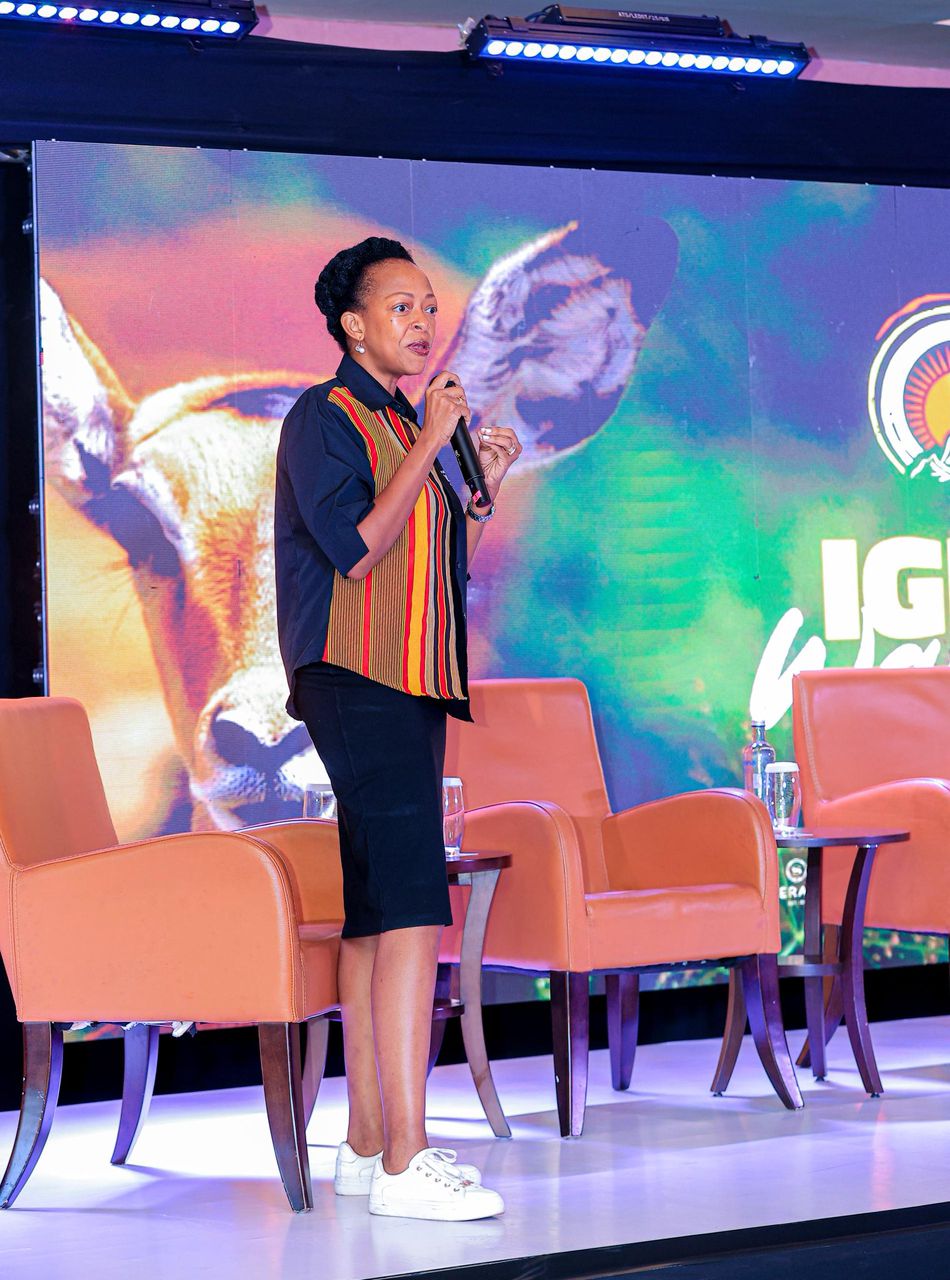
UTB CEO, Juliana Kagwa described AFCON 2027 as another opportunity for Uganda to showcase her beauty.
She said UTB’s strategy centres on extending the visitor journey well beyond match days, connecting arriving fans to gorilla treks, source of the Nile, cultural experiences in Kampala, and Uganda’s wider nature and adventure offering.
“They come for the game, they stay for the Pearl of Africa,” Kagwa said, encapsulating the board’s approach to converting football fans into long-stay tourists.
